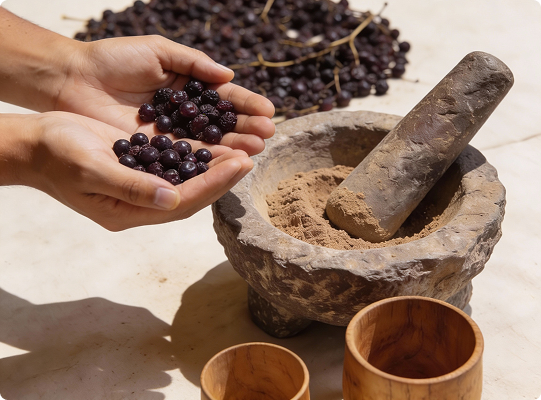



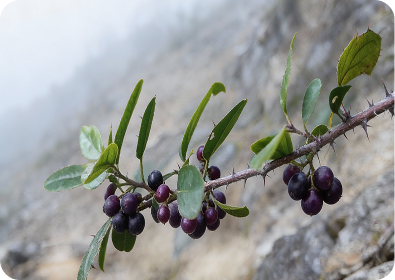
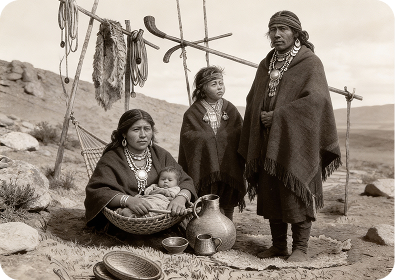
Among these natural foods, Maqui Berry holds a particularly meaningful place in Mapuche life. This small, deep-purple fruit is consumed as part of daily nourishment, prepared into traditional fermented beverages, and valued as a source of energy and stamina, especially during winter months or periods of intense physical activity. Maqui was never regarded as “medicine,” but rather as a naturally functional food—supporting vitality, recovery, and overall balance. Its dark purple hue, now recognized as a marker of high anthocyanin content, was traditionally understood by the Mapuche as a symbol of strength and nature’s protection.
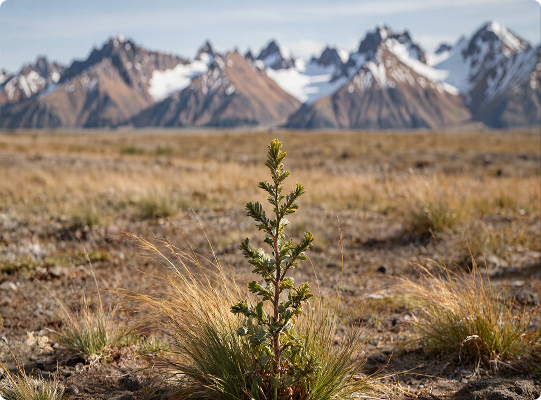
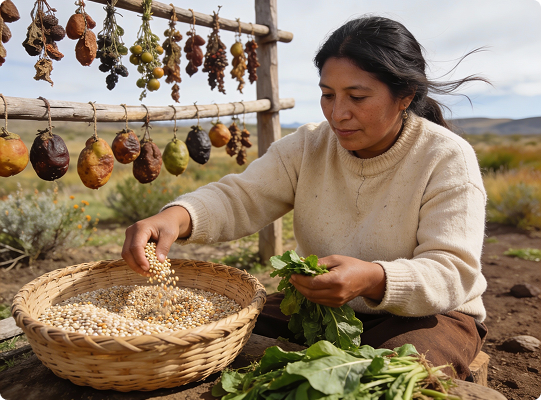
Maqui harvesting is performed manually and with great care, most often by women and family members. The berries are picked only at full ripeness, guided by principles that prohibit damaging the trees, discourage taking the entire harvest, and ensure enough fruit remains for natural regeneration and wildlife. Maqui grows wild—never intensively cultivated—and is harvested only during specific seasons. This practice reflects a core Mapuche philosophy: take only what is needed, and preserve what sustains life. After harvesting, Maqui berries are sun-dried, ground, or gently fermented into traditional preparations, all without additives, preserving their purity and natural potency.