

From the Edge of the Earth - Crafted by Nature - Refined by Science

Where Extremes Create Excellence

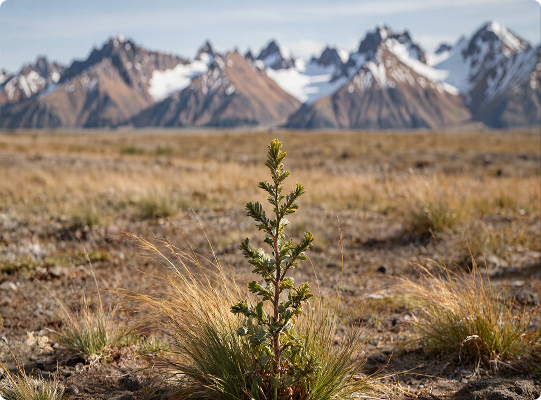
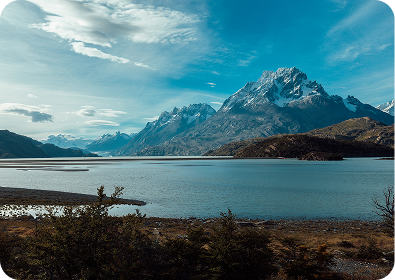
At the edge of the world lies Patagonia—a land shaped by extremes, where nature allows only the strongest to endure. Glacial winds from Antarctica, intense ultraviolet light, volcanic soil, and sudden shifts in temperature create an environment where survival demands evolution. Here, life does not merely exist—it adapts, refines, and transforms.

From this unforgiving landscape emerges nature’s rarest creations, shaped by isolation and perfected by time. Patagonia is where resilience becomes beauty, and strength is quietly cultivated beneath the surface.

Born in isolation.
Refined by extremes.
Defined by nature’s highest standard

Born in Isolation. Perfected by Nature.

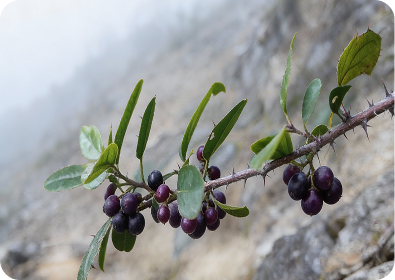
This small, deep-violet berry is not born of ease, but of endurance. Over thousands of years, the Maqui Berry evolved under relentless environmental pressure—learning to protect itself against intense ultraviolet radiation, dramatic temperature shifts, and scarce water supply. Nature compelled it to develop a powerful internal defense system. The result is an extraordinary concentration of natural protective compounds—delphinidins and polyphenols—transforming the Maqui Berry into one of the most potent antioxidant sources ever discovered.

For the Mapuche people, the original guardians of Patagonia, the Maqui Berry is far more than a fruit. It is a symbol of resilience, vitality, and harmony with life. Consumed for generations as part of daily nourishment and sacred ritual, it represents a natural legacy to be honored—not exploited. Maqui Berry does not grow in abundance. It cannot be harvested at will. It appears only during specific seasons, in specific places. Its rarity is inseparable from its value. Each berry carries a story of patience, time, and nature’s uncompromising selection.

Maqui Berry evolved under extreme environmental stress in Patagonia, driving the development of unusually high concentrations of delphinidins and polyphenols—key bioactive compounds involved in antioxidant defense and cellular resilience. Its rare origin and precise phytochemical profile make Maqui Berry one of nature’s most powerful superfruits.

For centuries, the Mapuche people—indigenous to Patagonia—have traditionally consumed Maqui Berry as part of their daily nutrition. This ancestral knowledge reflects an early understanding of Maqui Berry’s functional value—long before contemporary science began to study its unique phytochemical profile.

Patagonia’s extreme climate—marked by intense ultraviolet exposure, rapid temperature fluctuations, limited water availability, and mineral-rich volcanic soil—creates high environmental stress that drives unique biological adaptation in native plants, including elevated production of protective phytochemicals.

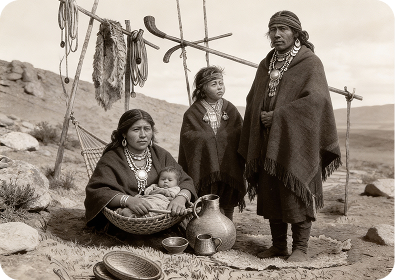
The Mapuche are an indigenous people who have inhabited the southern regions of South America—particularly Patagonia in Chile and Argentina—long before the arrival of European settlers. The name Mapuche, meaning People of the Land (mapu meaning land and che meaning people), reflects the profound relationship between humans and nature that forms the foundation of their way of life. For centuries, the Mapuche have been known as a resilient, self-sufficient community, highly adapted to Patagonia’s extreme conditions—powerful winds, cold temperatures, rugged terrain, and unforgiving seasons. Despite prolonged colonial pressure, they have preserved their cultural identity, their language (Mapudungun), and a rich system of traditional knowledge passed down through generations.

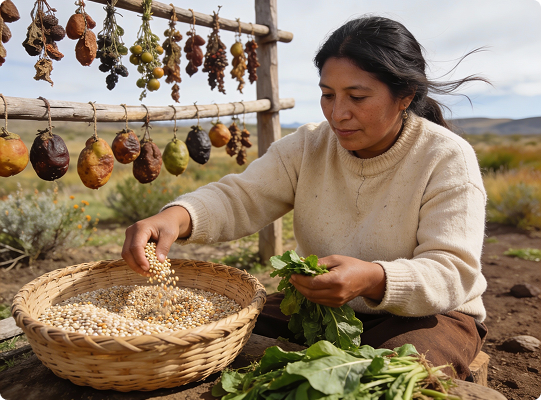
Mapuche culture is deeply centered on balance with nature. Land, water, plants, and people are viewed as interconnected elements, each carrying its own role and energy that must remain in harmony. Daily life follows the rhythms of the seasons and natural cycles, reinforced by rituals that cultivate respect for the environment. Within this structure, Mapuche women play a vital role as guardians of food and botanical knowledge, passing down an understanding of wild plants, natural food preparation, and nutritional practices that support both physical endurance and spiritual balance.


The traditional Mapuche diet is natural, simple, and entirely local. It consists of wild roots and tubers, grains such as corn and quinoa, legumes, leafy greens, and wild fruits native to Patagonia. All foods are consumed seasonally, without excessive processing, and are often preserved through natural drying or fermentation to ensure long-term sustenance. This way of eating quietly fosters metabolic resilience and physical endurance—shaped by living in alignment with nature rather than in opposition to it.

Among these natural foods, Maqui Berry holds a particularly meaningful place in Mapuche life. This small, deep-purple fruit is consumed as part of daily nourishment, prepared into traditional fermented beverages, and valued as a source of energy and stamina, especially during winter months or periods of intense physical activity. Maqui was never regarded as “medicine,” but rather as a naturally functional food—supporting vitality, recovery, and overall balance. Its dark purple hue, now recognized as a marker of high anthocyanin content, was traditionally understood by the Mapuche as a symbol of strength and nature’s protection.

Maqui harvesting is performed manually and with great care, most often by women and family members. The berries are picked only at full ripeness, guided by principles that prohibit damaging the trees, discourage taking the entire harvest, and ensure enough fruit remains for natural regeneration and wildlife. Maqui grows wild—never intensively cultivated—and is harvested only during specific seasons. This practice reflects a core Mapuche philosophy: take only what is needed, and preserve what sustains life. After harvesting, Maqui berries are sun-dried, ground, or gently fermented into traditional preparations, all without additives, preserving their purity and natural potency.
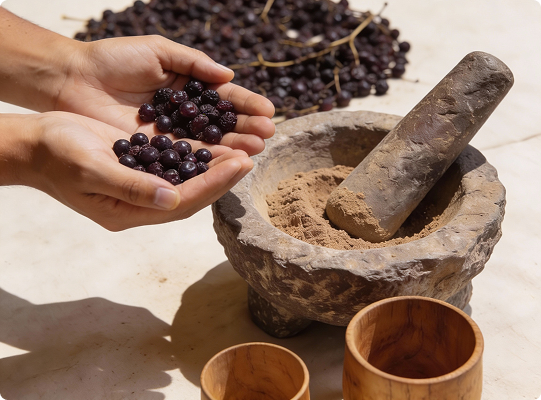
What the Mapuche have practiced for centuries is now increasingly understood by modern science. Scientific research confirms that Maqui Berry contains one of the highest antioxidant densities among fruits, particularly anthocyanins such as delphinidin. For the Mapuche, this is not a discovery—but rather scientific affirmation of ancestral wisdom, refined through generations of living in harmony with the land.

Maquira